

Breaking the Puzzle Myth
For too long, autism has been described as a “puzzle.” This idea paints children with autism as incomplete pieces waiting to be “fixed.” But the truth is, autism is not a puzzle – it’s a different way of experiencing the world. Children with autism are not broken; they are whole human beings with unique perspectives, strengths, and challenges.
At NurtureNest, we believe in moving the conversation beyond stereotypes. Autism is not about finding the missing piece – it’s about acceptance, empathy, and creating safe spaces for every child to shine.
What Autism Really Means?
Children with autism may interact with the world differently, and those differences deserve recognition and respect:
- Communication: Some children may communicate through gestures, pictures, or expressions instead of words.
- Sensory experiences: Sounds, lights, and textures may feel overwhelming – or comforting – in ways others don’t experience.
- Routines: Many children rely on structured routines because they bring comfort and safety.
- Strengths: From strong memory skills to creative problem-solving, autistic children have unique talents that should be celebrated.
These differences don’t make them “less.” They make them different – not deficient.
From Awareness to Acceptance
Awareness is only the first step. People may know the word “autism,” but true change comes with acceptance.
- Awareness is understanding what autism is.
- Acceptance is valuing autistic children for who they are.
When parents, teachers, and communities shift their mindset from “fixing” to understanding, children feel seen, valued, and supported. Acceptance builds confidence, self-esteem, and resilience.
Why Acceptance Matters in Pakistan
In Pakistan, many families raising a child with autism face stigma, isolation, and misunderstanding. Parents often avoid discussing autism openly, fearing judgment. Schools sometimes refuse admission, and workplaces lack inclusivity.
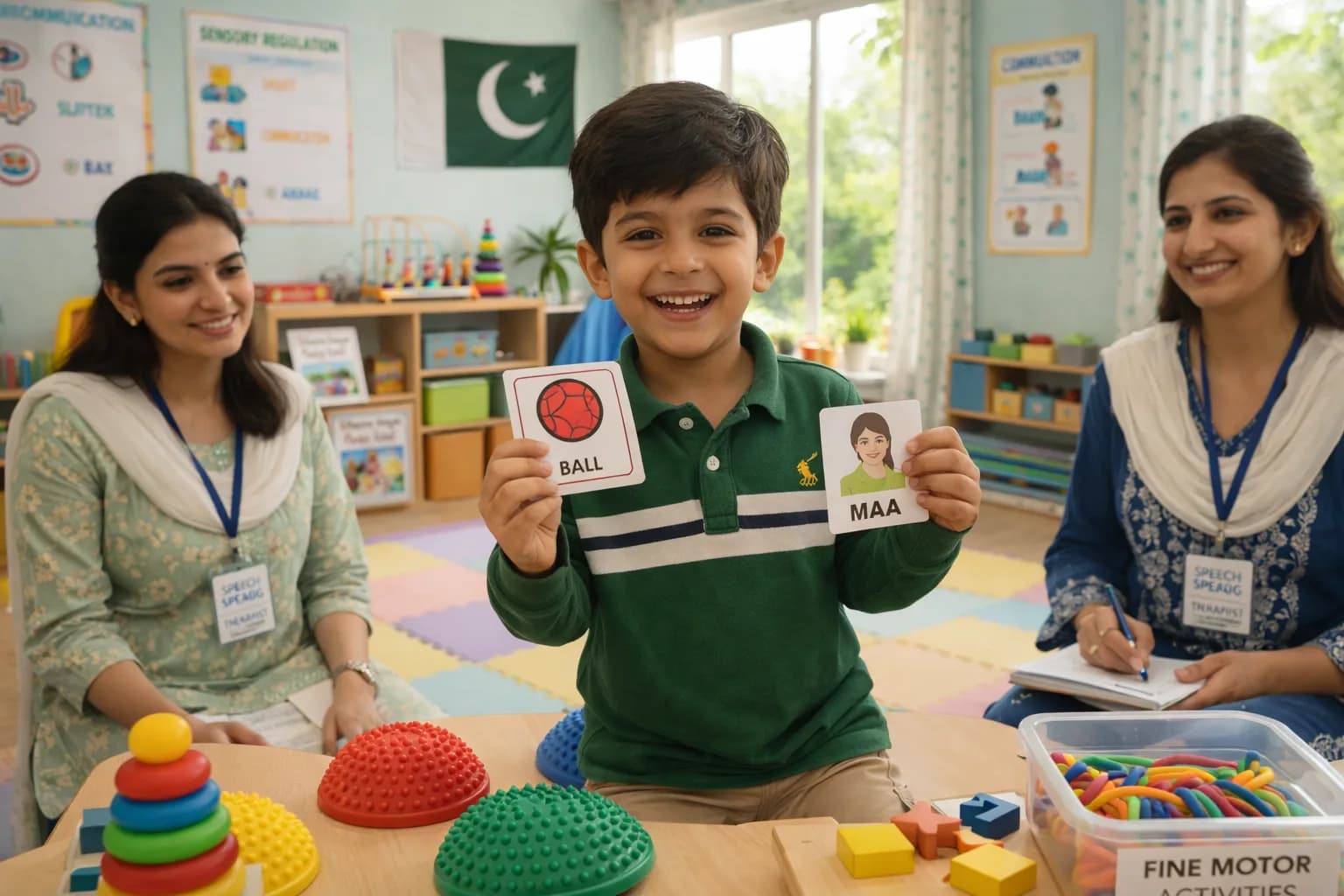
But the tide is slowly shifting. Specialized schools like NurtureNest are breaking barriers by providing therapy-driven education, personalized support, and community care. The more we normalize conversations about autism, the more families will feel supported.
Parenting a Child with Autism: Challenges and Strengths
Parenting a child with autism can feel overwhelming, but it is also full of joy and growth. Parents often experience:
- Isolation: Feeling like no one understands their journey.
- Burnout: Balancing therapy sessions, school, and home life.
- Hope: Celebrating small but powerful milestones, like a first word, a smile, or a new skill.
At NurtureNest, we remind parents that self-care is not selfish – it’s essential. A well-supported parent can better support their child.
The Role of Personalized Learning
Traditional classrooms often don’t meet the needs of autistic children. That’s why personalized learning makes such a difference.
At NurtureNest, we focus on:
- ✅ Personalized learning plans designed for each child.
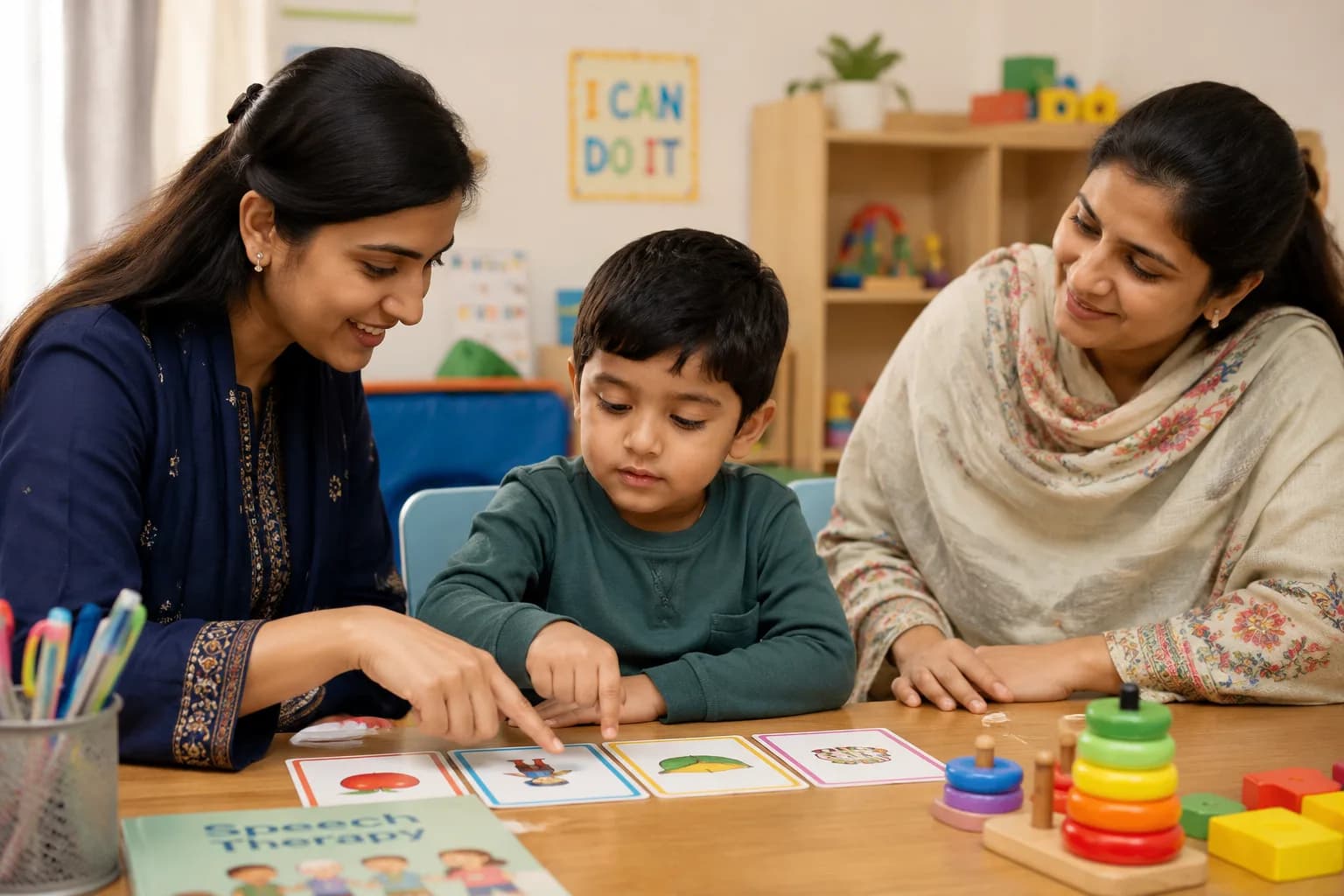
- ✅ Therapy-driven support with expert therapists and educators.
- ✅ Safe, structured environments where children thrive.
- ✅ Parent communities where families connect and learn from one another.
This approach not only helps children academically but also builds confidence, communication, and independence.
Life Skills Beyond the Classroom
Education for autistic children isn’t just about academics – it’s about preparing them for life. Skills like:
- Communication strategies (verbal and nonverbal)
- Social interaction (learning to share, play, and express emotions)
- Self-help skills (dressing, eating, organizing)
- Confidence building through small wins
Every child has potential, and these skills help them lead more independent and fulfilling lives.
Changing Community Perceptions
For real progress, we must change how society views autism. Instead of seeing it as a limitation, we must see it as a different ability.
- Workplaces can hire autistic adults for their strengths in focus, memory, and creativity.
- Schools can train teachers to create inclusive classrooms.
- Families can talk openly about autism to reduce stigma.
Each act of acceptance creates a ripple effect that changes lives.
Our Mission: Learning With Them, Not Just About Them
At NurtureNest, we don’t just teach children – we learn with them. Every child brings new ways of seeing the world. By celebrating differences, we create safe spaces where children can thrive.
We stand with parents, offering guidance, therapy, and a supportive community. Our mission is simple: to replace fear with hope, and stigma with acceptance.
From Awareness to Acceptance
Autism is not a puzzle. It is not something to be “solved.” It’s a way of experiencing life that is different – but equally meaningful.
By moving from awareness to acceptance, we can create a Pakistan where children with autism are valued, families are supported, and communities grow stronger.
💙 At NurtureNest, we celebrate every child’s voice, talent, and dream. Because every child deserves a future filled with hope, dignity, and opportunity.
- Autism Acceptance
- Autism Awareness
- Autism in Pakistan
- Autism Parenting Tips
- Autism Support Pakistan
- Inclusive Education
- Support for Autism Families