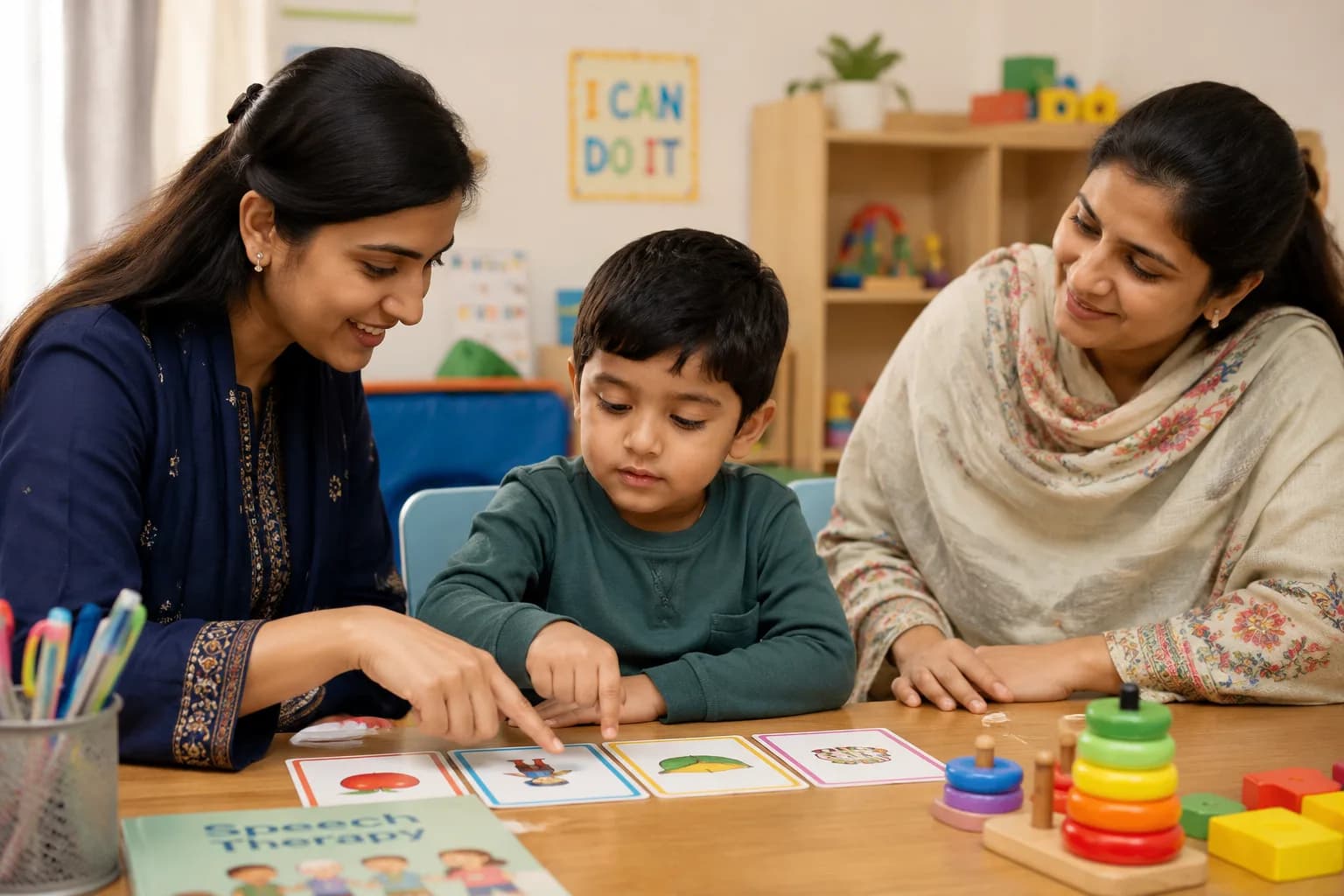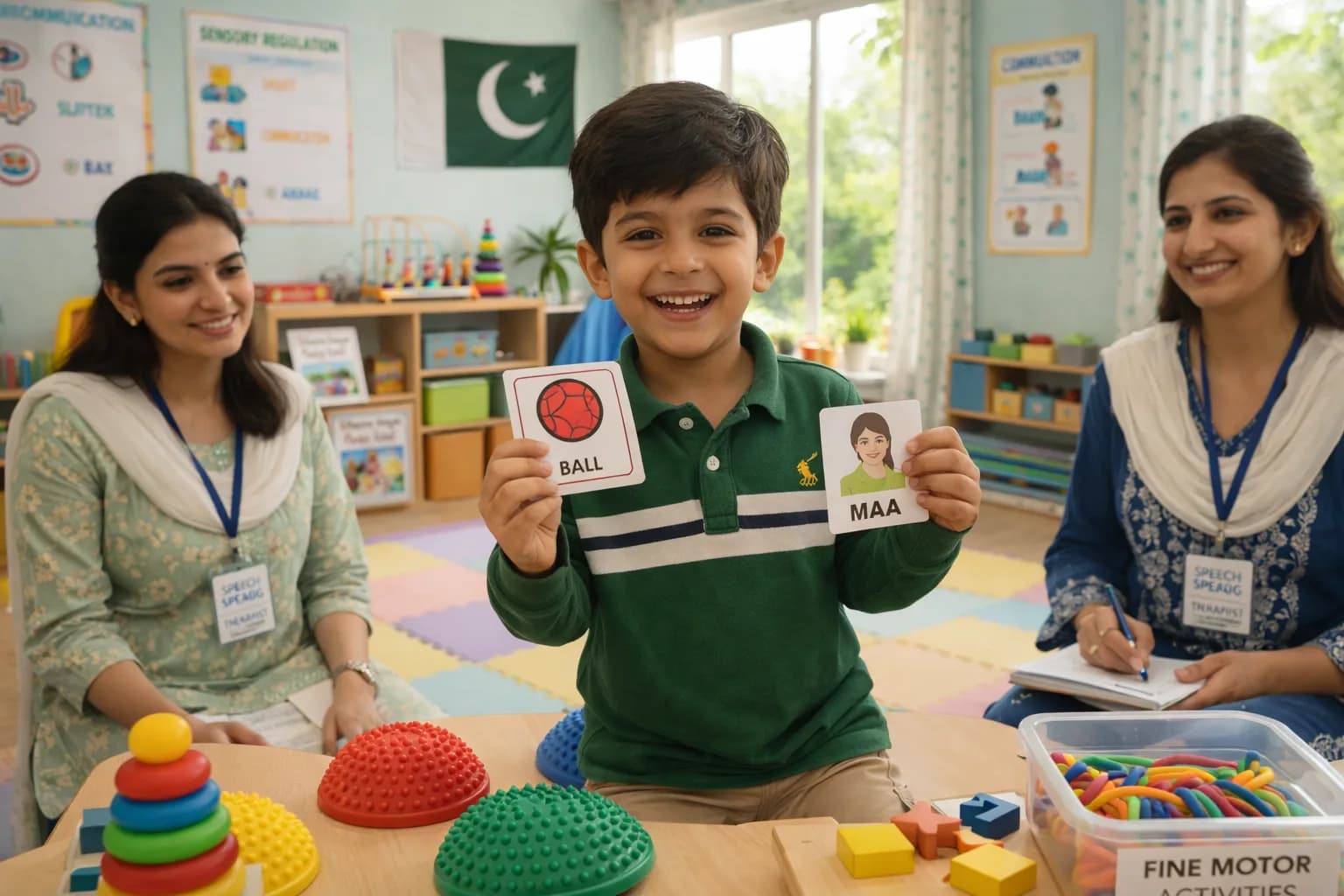


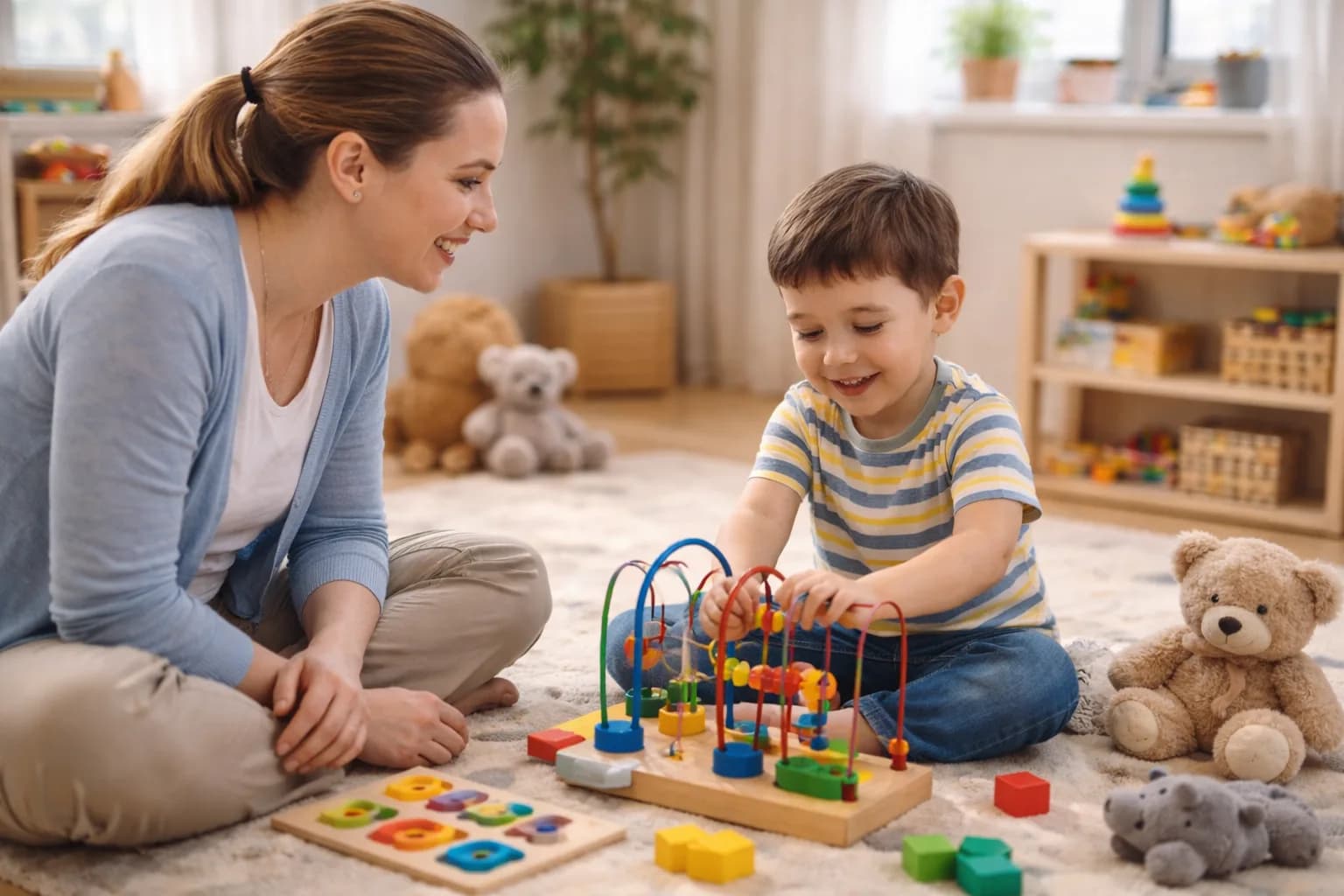
Childhood is meant to be full of laughter, imagination, curiosity, and play. However, not all children experience a carefree childhood. Some go through emotional stress, anxiety, trauma, behavioral challenges, developmental delays, autism spectrum struggles, speech and communication issues, or social difficulties. And when young children face emotional pain or overwhelming experiences, they may not always know how to explain what they feel.
This is where Play Therapy becomes incredibly powerful.
Play therapy is more than just “playing.” It is a scientifically supported and therapeutic approach that allows children to communicate, express emotions, resolve conflicts, and heal – through play. Because children may not have the words to say,
“I am scared.”
“I feel lonely.”
“I don’t understand what is happening.”
Instead, they express themselves in the language they understand best – PLAY.
What Is Play Therapy?
Play therapy is a child-centered, evidence-based therapeutic approach in which trained therapists use play, toys, activities, symbolic play objects, and guided interactions to help children express feelings, process experiences, develop coping skills, and emotionally heal.
Just like adults talk to therapists…
Children “play” with therapists.
This method is widely used in psychology, child development therapy, autism therapy, counseling, mental health treatment, trauma recovery and emotional regulation therapy for children. It also supports children with behavioral challenges and learning differences.
The Association for Play Therapy explains it beautifully:
“Play Therapy helps children express what is troubling them when they do not have the verbal language to express their thoughts and feelings.”
So instead of forcing children to talk about their feelings, which is often uncomfortable and overwhelming, therapists use activities children naturally feel safe with.
Children can build a world with toys…
They can draw what hurts…
They can act out fears…
They can release anger safely…
They can process trauma gently…
In short, Play becomes their voice.
Why Do Children Need Play Therapy?
Children do not think like adults. They do not express emotions like adults. And they certainly do not process life events like adults do. When something hurts them emotionally, mentally, or psychologically, they may not be able to explain it.
Therefore:
Instead of speaking… they cry
Instead of explaining… they withdraw
Instead of sharing worries… they cling
Instead of asking for help… they act out
Instead of saying “I am scared” … they may become aggressive or silent
Play therapy becomes important because behavior is communication.
Children may need play therapy when they:
• Experience trauma or stressful events
• Have delayed emotional development
• Struggle with social skills
• Face anxiety or depression
• Experience grief, separation, or loss
• Have behavioral challenges
• Face bullying or low confidence
• Have communication difficulty
• Have autism or ADHD
• Have learning difficulties
• Face family conflict, divorce, or relocation
• Display anger issues
• Show regression behaviors
• Have self-esteem problems
• Struggle emotionally without explanation
Play Therapy helps them:
✔ Feel safe
✔ Feel seen
✔ Feel heard
✔ Feel understood
✔ Learn emotional expression
✔ Build resilience
✔ Heal from the inside
How Does Play Therapy Actually Work?
Play therapy is structured, intentional, and deeply therapeutic. It is not just playing randomly. Children enter a safe, calming, and sensory-friendly environment with toys and tools specially chosen for emotional expression.
Common tools include:
• Dolls
• Miniature houses and figures
• Sand tray
• Art supplies
• Clay and play-dough
• Puppets
• Costumes
• Cars and blocks
• Role-play objects
• Musical instruments
• Sensory toys
Through play, children naturally reveal emotional struggles. The therapist gently observes, connects, guides, and supports them.
The Process
1️⃣ Child enters a safe and welcoming therapy environment
2️⃣ Therapist builds trust and emotional safety
3️⃣ Child begins expressive play
4️⃣ Therapist interprets emotional expressions
5️⃣ Child gradually expresses hidden emotions
6️⃣ Therapist helps them develop coping strategies
7️⃣ Child learns healthy emotional regulation
8️⃣ Healing begins
The goal is not just to reduce “problem behavior.”
The goal is to heal emotional wounds, strengthen inner resilience, and help children thrive.
Types of Play Therapy
Play therapy comes in different approaches and is tailored based on a child’s age, personality, emotional needs, and challenges.
1️⃣ Child-Centered Play Therapy
Children lead the play. The therapist observes and gently guides emotional understanding.
Perfect for:
• Kids with emotional struggles
• Behavioral concerns
• Trauma
• Anxiety
It helps them build self-confidence and clarity.
2️⃣ Directive Play Therapy
Here, the therapist gently directs play activities with a purpose – such as calming anxiety, building communication, or coping with trauma.
Suitable for:
• Children who need structure
• Children with autism
• Kids with emotional or behavioral struggles
• Kids working on emotional regulation
3️⃣ Sand Tray Therapy
Children use mini-figures and create scenes in sand trays. This helps bring subconscious emotional experiences to the surface.
Great for:
• Trauma processing
• Deep emotional expression
• Children who struggle to talk
4️⃣ Art Play Therapy
Drawing, coloring, and creative art help children release stress, fear, sadness, and confusion.
Perfect for:
• Emotional release
• Anxiety
• Building confidence
5️⃣ Role-Play / Puppet Therapy
Children act out situations using puppets or costumes. This is powerful for expressing fear, trauma, confusion, or conflict.
Helps with:
• Trauma
• Bullying
• Social confidence
• Processing difficult situations
6️⃣ Sensory Play Therapy
Uses textures, lights, sounds, and objects for regulating emotions.
Very effective for:
• Autism
• Sensory processing disorder
• Anxiety regulation
How Play Therapy Helps Children Emotionally
Children often carry unspoken pain. They silently suffer when overwhelmed. Play therapy allows release.
Through structured therapy, children learn:
✔ Emotional Awareness – “What am I feeling?”
✔ Emotional Naming – “This feeling is called sadness/anxiety/anger.”
✔ Emotional Expression – learning to express feelings in a healthy way
✔ Emotional Regulation – learning coping skills
✔ Social Understanding – improving how they interact
✔ Resilience – bouncing back from stress
They also learn:
• It’s okay to cry
• It’s okay to feel confused
• It’s okay to be scared
• It’s okay to talk about it
• It’s okay to need help
And more importantly:
They realize…
They are not alone.
Play Therapy and Autism
For autistic children, communication and emotional regulation can feel overwhelming. Many autistic children struggle with:
• Eye contact
• Understanding emotions
• Social interaction
• Sensory challenges
• Expression of feelings
• Understanding social cues
• Anxiety
• Meltdowns
• Speech & communication struggles
Play therapy gives autistic children:
✔ A safe non-verbal outlet
✔ Reduced anxiety
✔ Better emotional understanding
✔ Improved communication
✔ Sensory soothing
✔ Improved social interaction
Through structured play, autistic children gradually feel:
• Safe
• Connected
• Engaged
• Understood
Play becomes their comfort zone. It respects their neurodiversity instead of forcing them to “act normal.”
Benefits of Play Therapy
Play therapy benefits children in powerful lifelong ways. It helps improve:
EMOTIONAL BENEFITS
• Emotional strength
• Confidence
• Reduced anxiety
• Healing trauma
• Self-esteem
• Self-awareness
MENTAL BENEFITS
• Cognitive development
• Creative thinking
• Problem solving
• Processing experiences
SOCIAL BENEFITS
• Communication
• Friendship skills
• Understanding others
• Empathy
BEHAVIORAL BENEFITS
• Reduced aggression
• Improved self-control
• Better behavior regulation
• Reduced emotional outbursts
Play therapy helps transform children from:
😔 Withdrawn to Expressive
😡 Angry to Calm
😢 Overwhelmed to Understood
😨 Anxious to Confident
Why Early Intervention Matters
The earlier emotional and behavioral challenges are addressed, the better the outcome. Many emotional wounds grow into adult struggles if ignored in childhood.
Early Play Therapy:
✔ Prevents emotional trauma buildup
✔ Builds emotional intelligence early
✔ Strengthens resilience
✔ Improves long-term mental well-being
Children who receive support early grow into emotionally stronger adults.
What Parents Need To Know
Parents often worry:
“Will my child be okay?”
“Is therapy necessary?”
“Is my child struggling emotionally?”
If your child shows:
• Emotional breakdowns
• Anger issues
• Fear or anxiety
• Sudden withdrawal
• Behavioral changes
• Regression in behavior
• Difficulty adjusting
• Trauma exposure
• Autism spectrum difficulties
Then play therapy could be life-changing.
And yes, therapy is not a sign of weakness.
It is a sign of love, care, awareness, and action.
Choosing therapy means:
“I see my child struggling.”
“I refuse to ignore it.”
“I will help them heal.”
Healing Through Play Is Powerful
Children should not have to suffer silently. They should not struggle alone. Play therapy beautifully honors a child’s world. It speaks their language. It respects their emotions. And most importantly it heals gently.
Through play, children regain:
💛 Joy
💛 Courage
💛 Confidence
💛 Emotional strength
💛 Their voice
- Child Counseling
- Child Emotional Healing
- Child Mental Health
- child psychology
- Early Intervention Therapy
- Emotional Development in Children
- Healing Through Play
- Neurodiversity Support
- Play Therapy
- Play Therapy for Autism
- Play Therapy for Children
- Special Needs Support
- therapy for kids
- Trauma Healing in Children